
One of the most asked questions I get is “What makes a cat purr?” or “How do cats purr?”
Let me try to answer these two questions in as simple of an explanation as possible.
We all know cats have fascinated humans for thousands of years. When we visualize the Egyptian Queen Cleopatra, we think of cats.
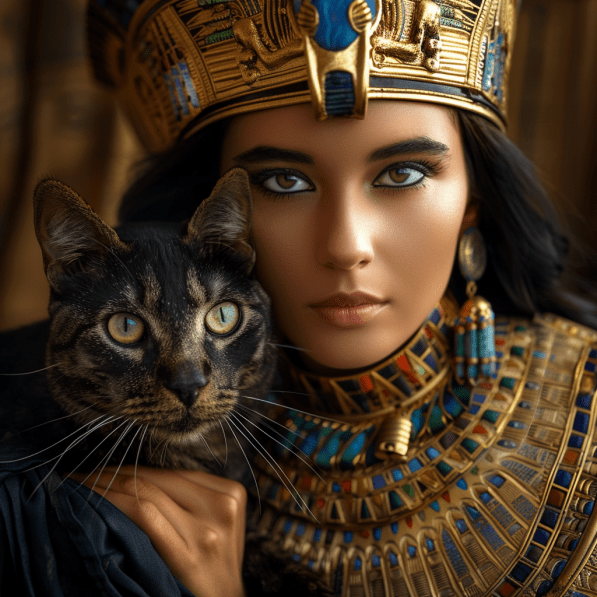
Part of this fascination with cats is their ability to purr. It is rare in the animal kingdom when we can find an animal who vocalizes in the same manner. In fact, purring is unique to cats, and it does not matter what type of feline. Big cats, little cats, most all purr.
So what does this gentle, rhythmic sound mean?
Most of us associate purring with the animal being content and relaxed, but this is just speculation.
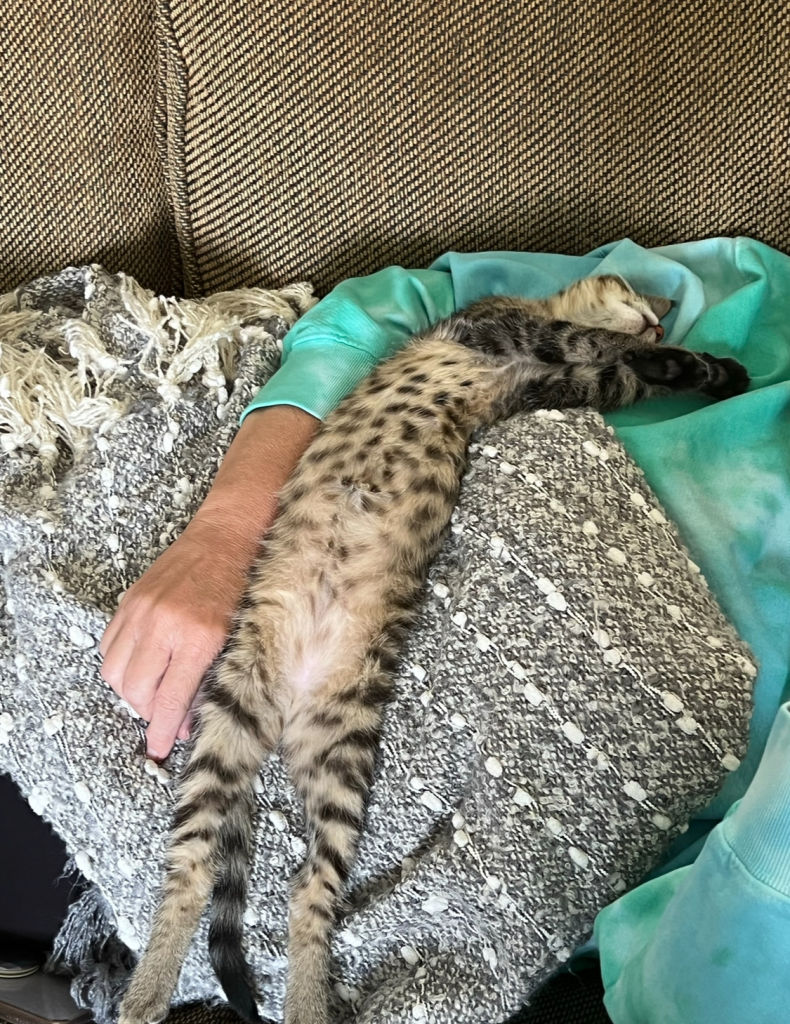
Scientists have wondered about the purpose as well as the mechanism for purring for decades.
Like I said, purring is often associated with relaxation and contentment, but it is not solely an expression of pleasure. Cats can also purr when they are in pain, anxious, or seeking comfort. This strongly suggests purring is more than just a casual behavior in cats.
Some researchers, believe purring is a method of self-help in which they are attempting to calm themselves or relieve pain with this soothing behavior. It is believed these low-frequency vibrations promote healing and reduce stress by releasing the natural pain-relieving hormone, “endorphin” into the cat’s body.
Some domestic cats often purr when they are seeking attention, affection and, believe it or not, food or treats. They use this purring as a way to get a particular response out of their human companion, and of course, because we love them and conversely feel they love us, we cave in and grant them their wishes.
Most of you have probably noticed that the intensity of a cat’s purring can vary. This is almost certainly due to their own emotional state or level of satisfaction.
I know that might not have actually answered the question, “Why do cats purr,” but it’s the best I have. Now let’s examine “How cats purr.”
Again, the exact mechanism is a mystery. We do know that purring is generated by rapid and rhythmic contractions of the muscles of the larynx (voice box), combined with the movement of the diaphragm and “laryngeal” muscles.
When a cat purrs, it is usually within the frequency of 25 to 150 Hertz, which interestingly, is within the range that promotes tissue regeneration and healing. The resulting vibrations are then amplified by the cat’s respiratory system, creating the distinctive purring sound that we hear.
Like I mentioned above, not all cats purr the same way or under the same circumstances. Domestic cats tend to purr when they are relaxed and content while cats in the wild usually purr depending on not only their particular species, but also depending on their ecological and social environments.
For whatever reason, cat begin to purr when they are just a few days old, indicating that the ability to purr is in their genetic makeup rather than a learned behavior. Kittens almost certainly purr to communicate with their mothers, signaling their presence and seeking some form of maternal care.
 catmando.blog
Leave a comment