
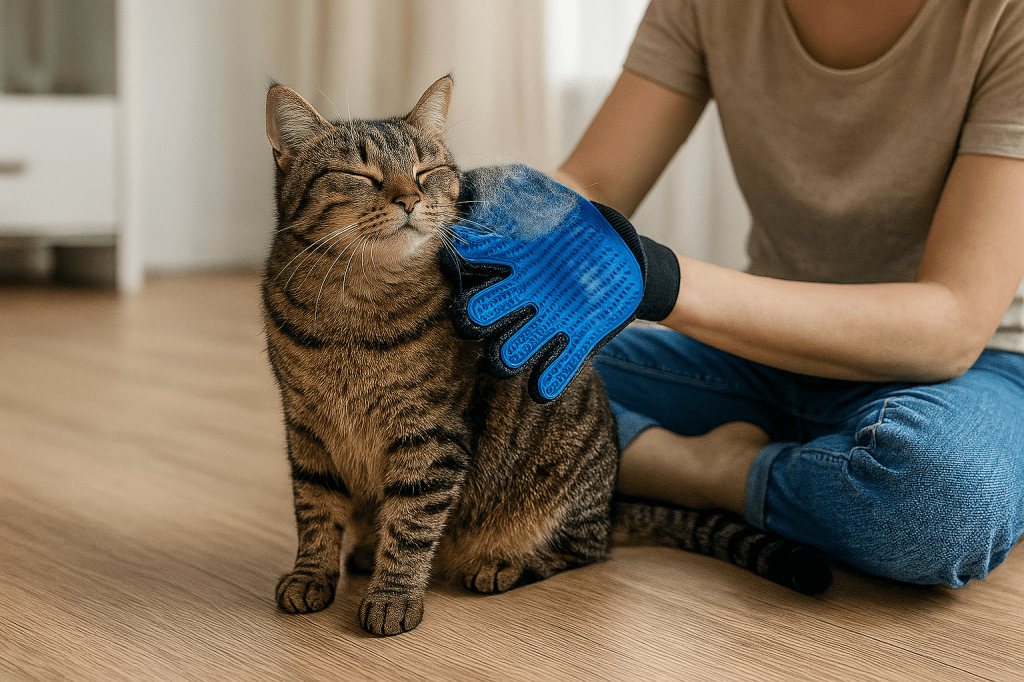
Keeping an indoor cat clean is essential for the health, comfort, and overall well-being of both the cat and its owner. While indoor cats are generally less exposed to dirt, parasites, and outdoor hazards than their outdoor friends, they still require regular grooming and hygiene care to remain happy and healthy. Cleanliness plays a vital role in preventing health issues. It also helps to strengthen the bond between pet and owner, and maintains a peaceful, odor-free home environment.
One of the primary reasons to keep an indoor cat clean is to prevent the buildup of loose fur, dander, and oils on their coat. Even short-haired cats shed fur, and without regular brushing, that fur can end up on furniture, clothing, and even in the air. Brushing removes loose hair, stimulates healthy skin, and helps prevent painful matting or hairballs. Long-haired breeds, in particular, need frequent grooming to keep their coats tangle-free and comfortable. Regular brushing sessions also provide a great opportunity to check for unusual lumps, parasites, or skin irritations before they develop into more serious problems.
Cleanliness also plays a key role in protecting a cat’s physical health. Indoor cats can still accumulate dirt, litter dust, and oils on their paws and fur. These substances can be ingested when the cat grooms itself, sometimes leading to stomach upsets or infections. Occasional gentle baths, especially for cats prone to allergies or oil buildup, helps remove grime and keeps their skin healthy. Moreover, maintaining clean ears and trimming nails regularly can prevent infections and injuries. Overgrown claws can cause discomfort, snagging, or even joint pain, while dirty ears can lead to mites or bacterial growth.
Another important aspect of keeping a cat clean is maintaining its litter box. A dirty litter box can quickly become a breeding ground for bacteria and cause urinary tract infections or behavioral problems. Cats are naturally clean animals, and many will refuse to use a soiled litter box, leading to accidents elsewhere in the house. Scooping daily and changing litter regularly not only ensures a hygienic environment, but also helps detect early signs of health issues, such as changes in urine or stool consistency.
A clean cat also contributes to a cleaner, more pleasant home. Regular grooming reduces shedding and allergens, which is particularly beneficial for family members with allergies. Clean bedding, feeding areas, and toys prevent the spread of germs and unpleasant odors. Maintaining a tidy routine also reduces stress for cats, as they thrive in predictable, clean surroundings.
Finally, grooming and cleaning time strengthens the emotional bond between cat and owner. Cats that are handled gently and consistently during grooming sessions learn to trust their humans and associate the experience with affection and care. This trust makes vet visits, nail trims, and other forms of handling much easier in the long run.
In conclusion, keeping an indoor cat clean goes far beyond appearance, it is an act of love and responsibility. Regular grooming, clean litter maintenance, and a hygienic environment all contribute to a cat’s long, healthy, and contented life. A clean cat is not only happier, but also brings more comfort and harmony to the home it shares.
 catmando.blog
Leave a comment