
Outdoor cats live a life full of adventure, fresh air, sun-soaked naps, and the occasional dramatic stare-off with a squirrel. But while that freedom looks idyllic, outdoor cats rely heavily on humans to fill in the gaps when nature gets rough. If you care for an outdoor cat, whether it’s “your” cat or a neighborhood regular (This is me), there are some important ways to keep them safe, healthy, and thriving.
Outdoor cats burn more energy than indoor cats, especially in colder months. You should provide high-quality cat food daily, ideally on a consistent schedule. This helps the cat stay nourished and also reduces roaming in search of meals. Fresh water is just as critical. In winter, use heated bowls to prevent freezing; in summer, place water in shaded areas and refresh it often.
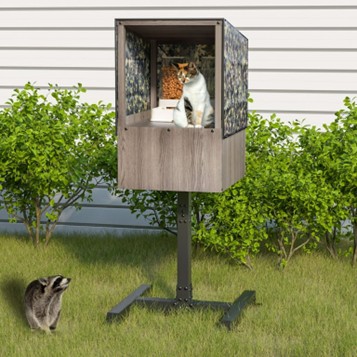
Shelter is not optional, it is essential. An outdoor cat needs a safe place to escape the elements. A proper shelter should be dry, insulated, and elevated off the ground. Straw (not blankets) is best for insulation in cold weather because it repels moisture and retains heat. Position the entrance away from wind and foot traffic. Even feral or semi-feral cats will use shelters once they learn they’re safe.
Outdoor cats also face higher risks from parasites, injuries, and disease. If the cat is approachable, routine vet visits are ideal. At a minimum, vaccinations for rabies and feline distemper are strongly recommended. Flea, tick, and worm prevention is crucial, even in cooler climates. Spaying or neutering is one of the most important steps you can take, preventing unwanted litters and reducing fighting and roaming.
Safety should always be top of mind. Outdoor environments come with hazards, such as traffic, predators, toxic plants, and unfriendly humans. My brother went coyote hunting from his back porch this past weekend because a coyote was seen running through their yard. (Yes, he lives in a county and not in a city) While you can’t always control everything, you can help reduce their risks. Feed cats away from roads, keep shelters out of high-traffic areas, and avoid leaving out foods that attract wildlife. Keep cats away from antifreeze or chemicals, as even small amounts can be highly toxic.
Being aware of the weather can help save a cat’s life. Extreme heat and cold are especially dangerous for outdoor cats. In summer, provide shade and multiple water sources. In winter, increase food portions and check shelters frequently. If temperatures drop dangerously low or storms roll in, consider bringing the cat into a garage, shed, or enclosed porch if possible. My sister-in-law bought a brand-new chicken coop and turned it into a “cat house” with heat lamps.
One of the most important steps in protecting an outdoor cat is to respect their independence. This does not mean you are not observant. Outdoor cats often value their autonomy. Caring for them doesn’t mean forcing affection; it means watching for changes. Limping, weight loss, dull eyes, or sudden behavior changes can signal illness or injury. Early intervention can make all the difference. If you have to take a cat to the vet, make sure to use an appropriate carrier. The last thing you want is to have a cat turn feral or panicked on the way to the vet.
Caring for an outdoor cat is a quiet act of compassion. With food, shelter, medical care, and awareness, you give them more than survival, you give them comfort, dignity, and a safer life outdoors. And honestly? That’s a pretty great thing to do.


Leave a comment