
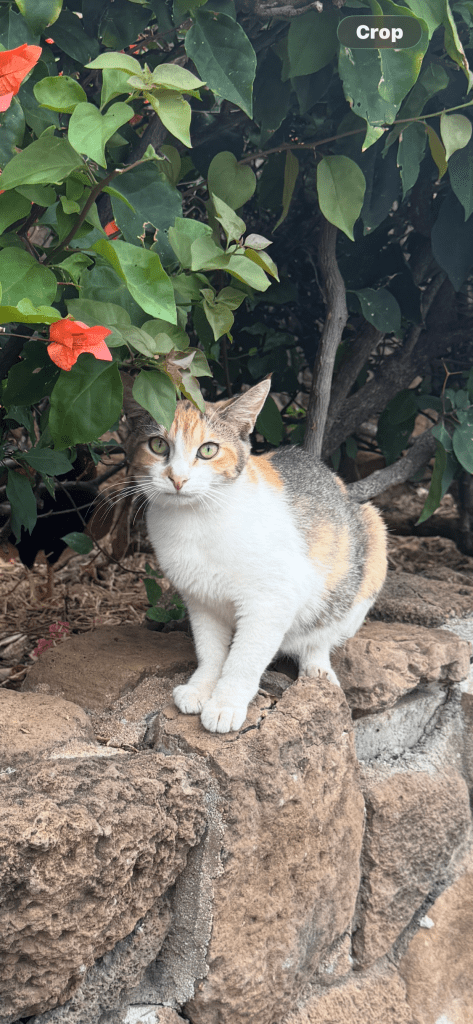
While in Honolulu, we ran across three feral cats. My wife and I felt sorry for them and decided to give them some leftover food from our plates after a dinner cruise. This got me thinking, was this good or bad? I know it made us feel good, but were we really helping or actually hurting the cats? I decided to learn more about them and put my newfound information in this post.
Feral cats are often misunderstood. Some people see them as wild animals, while others, like me, see them as homeless pets. The truth is that feral cats are domestic cats that have had little or no human contact. They usually live outdoors, avoid people, and survive in neighborhoods, fields, alleys, farms, and business areas. While they may not want to become house pets, they still deserve kindness, safety, and responsible care.
Believe or not, there is actually a difference between a stray cat and a feral cat. A Stray cat is usually a lost or abandoned pet. It may approach people, meow, or seek attention. A feral cat is much more cautious. It may run away, hide, or only come out at night. Knowing the difference matters because a stray cat may be able to return to a home or be adopted, while a feral cat may do best living outdoors with proper support.
One of the biggest mistakes people make is trying to pick up or trap a feral cat by hand (this was not me). Feral cats are frightened of people and may scratch or bite if they feel cornered. This does not mean they are mean. It means they are scared. Always use safe, humane methods if a feral cat needs help.
One of the best ways to help feral cats is through Trap-Neuter-Return, often called TNR. I recently watched a “Dirty Jobs” episode where the star, Mike Rowe sent a day at a veterinary clinic helping them spay and neuter feral cats. I usually do not spend a lot of time watching television, but I did find this particular episode very interesting. With TNR, cats are humanely trapped, taken to a veterinarian to be spayed or neutered, vaccinated, marked with an ear notch (so they can be identified as have been through the TNR program already) and then returned to their outdoor home. This helps control the cat population, reduces fighting and spraying, and ultimately improves the cats’ overall health.
Feeding feral cats can be kind (and it does make a person feel good), but it should be done responsibly. Leaving food out all day can attract raccoons, rodents, insects, and other animals. Feed at the same time each day, remove leftovers, and keep the area clean. Fresh water is also important, especially during hot or dry weather.
Here are some other Do’s and Don’ts when it comes to feral cats.
Do provide shelter: Outdoor cats need protection from rain, wind, heat, and cold. A simple insulated cat shelter can make a big difference. It does not have to be fancy. It only needs to be dry, safe, and placed in a quiet area where the cats feel secure.
Don’t Assume Every Feral Kitten Must Stay Feral: Young kittens may be socialized if they are found early enough. If you discover kittens, contact a local rescue group, humane society, or veterinarian before moving them. Their mother may be nearby, and removing them too soon can be harmful.
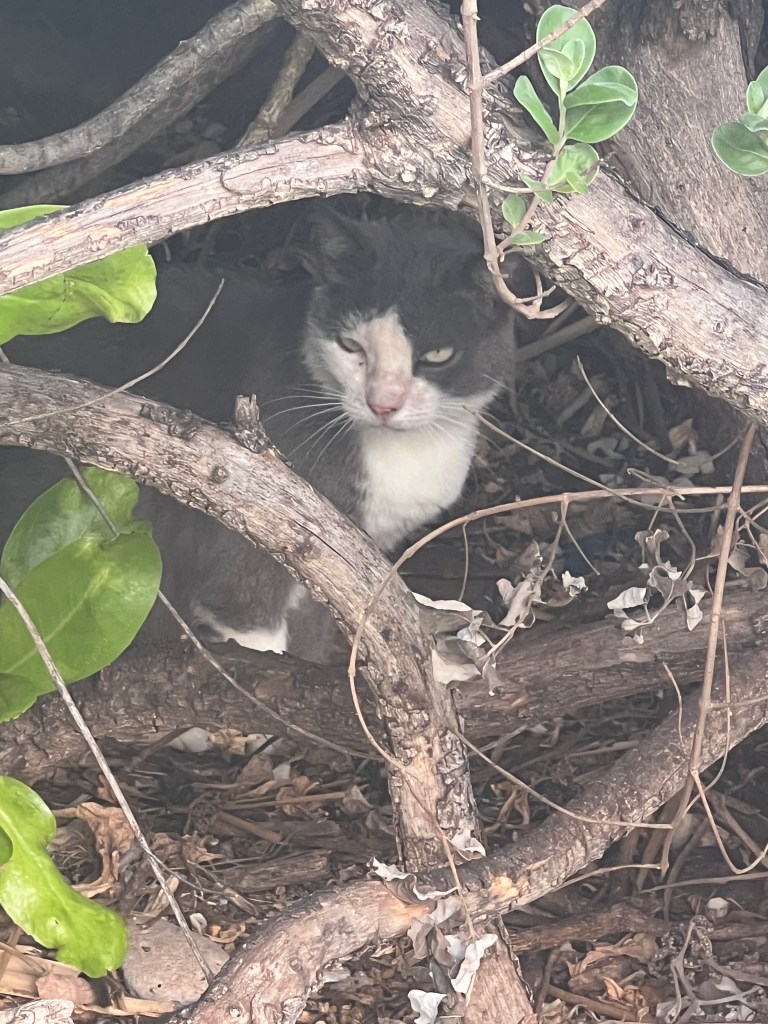
Do Be Kind and Patient: Feral cats did not choose their situation. They are simply trying to survive. With patience, humane care, and responsible support, people can help feral cats live safer, healthier lives while also reducing problems in the neighborhood. On another trip to Hawaii a couple of years ago, we found a group of feral cats living in a shrub-line along the beach. From the food dishes in the shrubbery, it was obvious to us that someone was taking care of these “Island cats.”
Helping feral cats starts with compassion, but it works best when compassion is matched with smart action. To find help with feral cats in your area, start with national resources such as Alley Cat Allies’ Feral Friends Network, Save A Cat’s TNR Groups by State, or Best Friends Animal Society’s community cat resources. These sites can help connect you with local TNR volunteers, rescue groups, low-cost spay and neuter clinics, and humane trap programs. Here are their inks:
Alley Cat Allies’ Feral Friends Network


Leave a comment